Moving to Mexico is exciting. For many expats, it represents a lifestyle change — better weather, lower cost of living, beautiful culture, and often a slower pace of life.
But between arriving in the country and becoming fully settled, there is a short administrative stage that can create confusion: the canje process.
Many people reach this moment and suddenly realize something important: they don’t actually know whether they can buy health insurance yet.
They already have a visa approved by a Mexican consulate, they are legally in the country, and they are in the process of exchanging that visa for a residency card. But they don’t have their residency card, they may not have a CURP, and sometimes they are still figuring out basic administrative things like opening a bank account or getting a phone line.
So a very common question comes up:
Can you get private health insurance in Mexico while you’re still going through the canje process?
The short answer is yes — but it depends on the type of insurance and the insurer.
Let’s break down how this works.
What Is «Canje» in Mexico?
Before talking about insurance, it helps to understand what Canje actually is.
When foreigners apply for residency in Mexico, they start the process at a Mexican consulate outside the country. The consulate places a visa sticker in their passport approving residency.
Once they arrive in Mexico, however, they are not finished yet.
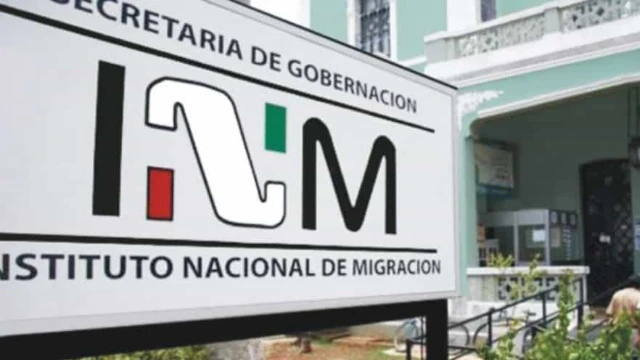
Within 30 days of entering the country, they must go to the immigration office (INM) and exchange that visa for the actual residency card. This final step is known as the Canje.
During this period, the person is legally in Mexico and allowed to complete the residency process, but administratively they are still in transition.
They do not yet have:
- A residency card
- A CURP number
This is where confusion begins, because many services in Mexico are linked to those identifiers.
Health insurance is one of them.

Can You Get Health Insurance During Canje?
Yes, it is often possible to get private health insurance in Mexico while you are completing the Canje process.
However, the answer depends on two main factors:
- The requirements of the insurance company
- The type of policy you are trying to purchase
Mexican insurers require residency documents and a CURP number before issuing a policy.
Other international insurers are more flexible and will accept applicants using only a passport and a Mexican address. These plans are designed specifically for expats and do not require Mexican residency at all.
Because of these differences, two people going through Canje could receive different answers depending on the insurer they approach.
This is why many expats find the process confusing. It is not that the law forbids buying insurance — it is simply that each insurer has its own administrative requirements.

Why the Canje Period Creates Confusion
From a practical perspective, the Canje stage is a kind of bureaucratic gray zone.
You are already moving to Mexico and have legal permission to live there, but many systems still treat you as if you are not fully established yet.
For example, during this period you may encounter situations like:
- A bank asking for your residency card to open an account
- A phone company asking for a CURP
- An insurer asking whether you are already a resident
None of these requirements come directly from immigration law. They are simply administrative rules that institutions use to identify clients.
In the insurance world, Mexican companies want to see proof that the person actually lives in Mexico before issuing a domestic policy. International ones are comfortable issuing coverage based only on a passport and local address.
Because of this, it is not unusual for expats to receive mixed information online. One person may say it was impossible to buy insurance without residency, while another person may say they purchased coverage immediately after arriving.
Both experiences can be true depending on the insurer involved.

Health Insurance Options While Waiting for Residency
If you are in the middle of the Canje process, you generally have three possible types of insurance available.
International Health Insurance
These plans are designed for globally mobile individuals such as expats, remote workers, and people living abroad temporarily.
Unlike many domestic policies, international plans do not require Mexican residency. Applications can be completed using a passport and personal information.
These plans offer:
- Worldwide coverage
- Access to international hospital networks
- Flexibility for people who travel frequently
For expats who are still settling into life in Mexico, international insurance can sometimes be the easiest solution during the transition period.
Travel Insurance
Travel insurance is another possibility, although it serves a different purpose.
Travel insurance is designed mainly for short stays and emergency situations. It is commonly used by tourists who are visiting a country for a few days or weeks.
For someone who has just arrived in Mexico and is still waiting to complete their residency process, travel insurance can sometimes serve as temporary protection.
However, it is important to understand its limitations.
Travel insurance focuses on emergencies and unexpected events. It is not intended to replace a long-term health insurance policy.
For expats planning to live in Mexico permanently, it usually makes sense to transition to a proper health insurance plan once the residency process is complete.

Should You Wait Until After Canje to Buy Insurance?
Some expats consider waiting until they receive their residency card before buying health insurance.
In some situations, that approach can simplify paperwork. Once you have your residency card and CURP, administrative processes with insurers becomes easier.
However, waiting also means spending a period of time without private medical coverage.
That may not seem like a big risk at first, but unexpected health events can happen anytime.
Accidents, sudden illnesses, or medical emergencies do not wait for immigration paperwork to finish.
For this reason, many expats prefer to arrange some form of coverage as soon as possible after arriving in Mexico rather than waiting until every administrative step is completed.

Common Mistakes Expats Make During Canje
Because the process is unfamiliar, newcomers often make a few predictable mistakes.
Waiting Too Long to Look for Insurance
Some people assume they must finish all immigration steps before even researching health insurance.
In reality, it is often possible to start exploring options much earlier.
Assuming Public Healthcare Will Automatically Cover Them
Mexico does have public healthcare systems, but enrollment is not automatic.
Access to public healthcare requires registration and eligibility under specific programs. Many expats instead prefer private healthcare because of shorter wait times and broader hospital options.
Believing Insurance Always Requires Residency
This is one of the most common misconceptions.
While some policies do require residency documents, others do not. International insurance plans, in particular, are designed specifically for people who are not permanent residents of the country where they live.
Because of this, assuming insurance is impossible during the canje period can sometimes delay protection unnecessarily.

How to Choose the Right Insurance During the Canje Period
Choosing the right health insurance depends on your situation and long-term plans in Mexico.
A few useful questions to ask yourself include:
- Are you planning to live in Mexico long-term?
- Do you travel frequently outside the country?
- Do you already have residency approved by a consulate?
- Are you looking for local coverage or global protection?
Your answers to these questions can help determine whether a domestic Mexican policy, international insurance plan, or temporary coverage makes the most sense during the transition period.
Each option serves a different purpose, and the best choice often depends on how permanent your move to Mexico will be.

Final Thoughts — Getting Health Insurance While Your Residency Is in Process
The Canje process is simply a transitional stage in Mexico’s immigration system.
During this period, many expats feel caught between two worlds — they have already moved to Mexico, but their administrative documents are still being finalized.
The good news is that this temporary stage does not necessarily prevent you from getting health insurance.
Depending on the insurer and the type of policy, it is possible to arrange coverage even before your residency card is issued.
The key is understanding which insurers accept applicants during this stage and selecting a plan that matches your situation.
If you are moving to Mexico or currently going through Canje, it can be helpful to speak with someone who understands how the insurance system works and what options are available for expats.
Finding the right coverage early can give you peace of mind while you finish settling into your new life in Mexico.
At Donna, we can help you get the right coverage, message us on WhatsApp or fill out this form and let’s start today!
Learn more:


