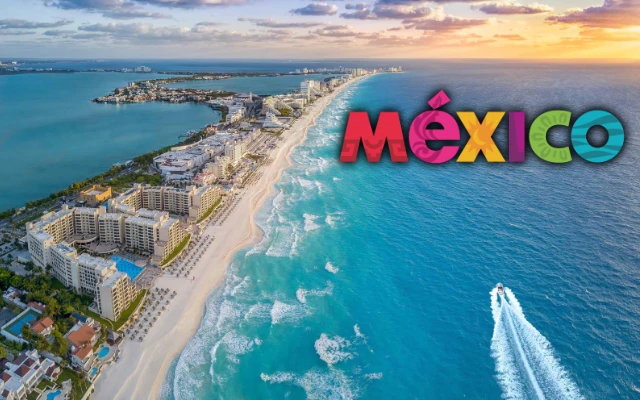
The 2026 FIFA World Cup is going to be one of the biggest sporting events on the planet. For the first time ever, the tournament will be hosted across three different countries: the United States, Canada, and Mexico.
And for many people, this will also be their very first time visiting Mexico.
That’s exciting… but also a little dangerous if you arrive completely unprepared.
Not because Mexico is some kind of “war zone” like certain news channels make it seem, but because a lot of tourists come here with unrealistic expectations. Some think Mexico is basically a giant beach resort where everything is cheap and easy. Others think they’ll get kidnapped the second they leave the airport.
The reality sits somewhere in the middle.
Mexico can be one of the most fun, vibrant, unforgettable countries you’ll ever visit during a World Cup. The atmosphere is incredible, the food is world-famous, the stadiums will be electric, and the culture is honestly hard to match.
But it’s also a country where preparation matters.
The tourists who usually have bad experiences aren’t necessarily “unlucky.” Most of the time, they simply underestimated things like transportation, scams, hospital costs, heat, crowds, or logistics.
So before you pack your bags for FIFA 2026, here are some things you should probably know first.
Mexico Is Not a “Danger Zone” – But It’s Also Not Disneyland
One of the weirdest things about Mexico is that people tend to imagine it in extremes.
Some foreigners think it’s basically a cartel battlefield where nobody survives longer than 20 minutes outside the airport, others think it’s a giant all-inclusive resort where absolutely nothing bad can happen — neither is true.
The truth is that Mexico works a lot like many other major tourist destinations around the world. If you use common sense, stay aware of your surroundings, and avoid doing reckless things, you’ll probably have an amazing time.
But tourists are still tourists. Pickpocketing happens. Scams happen. Fake taxis exist. People get overcharged. Phones get stolen in crowded areas. Tourists get distracted after drinking too much during a match and suddenly realize they left their wallet in an Uber.
That doesn’t make Mexico uniquely dangerous. The same thing happens in Paris, Barcelona, Rio de Janeiro, New York, Rome, and pretty much every city that receives millions of visitors.
The important thing is understanding that the World Cup will massively increase crowds, traffic, scams, and opportunistic crime in tourist-heavy areas.
Especially around:
- stadiums
- airports
- nightlife zones
- tourist districts
- public transportation hubs
If something feels sketchy, it probably is.

The 2026 World Cup Will Be Spread Across Multiple Cities
A lot of tourists don’t fully realize how large Mexico actually is.
The tournament matches in Mexico will take place in:
- Mexico City
- Guadalajara
- Monterrey
And these cities are not “right next to each other.” Traveling between them may involve flights, long travel days, airport stress, delays, and expensive last-minute tickets.
Mexico City alone can surprise people. The traffic in CDMX is legendary for all the wrong reasons. A trip that looks like “25 minutes” on a map can easily become 90 minutes during rush hour or near major events.
During the World Cup, expect that to get worse. If you’re planning multiple matches across different cities, leave more buffer time than you think you need, seriously.
A lot of people are probably going to miss flights during FIFA 2026 simply because they underestimated:
- airport lines
- traffic
- transportation delays
- security checks
- crowd volume
And once the tournament starts, prices for last-minute changes may become brutal.

Expect Bigger Crowds and Higher Prices Than Normal
The World Cup doesn’t just increase tourism, it temporarily changes entire cities.
Hotels that normally cost reasonable prices suddenly become expensive. Flights get packed. Airbnb inventory shrinks. Uber prices surge after matches. Restaurants near stadiums become chaos.
This happens in every World Cup host country. And Mexico will likely experience it heavily because millions of visitors are expected to move across North America during the tournament.
Tourists sometimes assume Mexico is “cheap,” but during major global events, prices can rise fast.
Especially in:
- Polanco
- Roma
- Condesa
- Santa Fe
- Monterrey business districts
- tourist-heavy parts of Guadalajara
If you wait until the last second to book things, you may end up paying dramatically more than expected.

Not Everyone Speaks English
This surprises some tourists more than it should.
Yes, many people in Mexico speak English — especially in:
- hotels
- airports
- private hospitals
- tourist areas
- upscale restaurants
But outside those environments?
Not necessarily.
You may encounter taxi drivers, police officers, convenience store employees, pharmacists, or restaurant workers who speak little to no English.
That doesn’t mean people are unfriendly. In fact, most tourists are surprised by how helpful Mexicans tend to be. But learning a few basic Spanish phrases can genuinely make your trip easier.
Simple things like:
- “¿Dónde está el hospital?”
- “¿Cuánto cuesta?”
- “Necesito ayuda.”
- “No hablo español.”
- “¿Puede hablar más despacio?”
…can go a long way.
Google Translate will probably become one of your best friends during the tournament.

Mexico Has Excellent Private Hospitals – But They Are Not Cheap
This is something many tourists don’t think about until something goes wrong.
Mexico actually has very good private healthcare. Some hospitals in cities like Mexico City are modern, international-level facilities that treat both locals and foreigners.
Places like Hospital ABC, Médica Sur, Hospital Angeles are well known among expats and international patients. But private healthcare is not “cheap” just because it’s Mexico.
That’s one of the biggest misconceptions tourists have.
A simple emergency room visit can still cost hundreds or thousands of dollars depending on the situation. Hospitalization, surgery, MRIs, ambulances, specialists, and overnight stays add up quickly.
And unlike in some countries, hospitals may ask for:
- proof of insurance
- upfront deposits
- credit card authorization
- payment guarantees
before treatment continues.
During FIFA 2026, private hospitals in major host cities may also experience higher demand than usual.

Food, Water, Heat, and Altitude Can Hit Harder Than People Expect
Most people picture Mexico as beaches and tacos. And yes… the tacos are amazing but tourists often underestimate the physical stress that travel itself creates.
Mexico City sits at high altitude. Some visitors feel shortness of breath, headaches, fatigue, or dehydration during their first few days — especially if they arrive after long international flights.
Then you combine that with:
- alcohol
- heat
- walking all day
- crowded stadiums
- spicy food
- poor sleep
- dehydration
…and suddenly people start feeling terrible.
Food poisoning is also something that can happen anywhere in the world, including Mexico. That doesn’t mean you should avoid street food entirely. Some of the best food in the country comes from street stands.
But you should still use common sense:
- eat at busy places
- avoid food sitting in the sun for hours
- stay hydrated
- drink bottled water if unsure
- don’t ignore symptoms
The combination of heat, crowds, travel stress, and dehydration during the World Cup will probably send a lot of tourists to pharmacies and clinics.

Transportation in Mexico Can Be Amazing… or Complete Chaos
Transportation quality depends heavily on where you are.
Apps like Uber work well in many areas and are usually safer than randomly grabbing street taxis.
In Mexico City, the Metro system is massive and extremely cheap, but it can also become incredibly crowded.
Airport transportation during the World Cup may become especially chaotic. If you arrive at the airport without a transportation plan, exhausted after an international flight, carrying luggage, surrounded by thousands of tourists… that’s usually when mistakes happen.
Things like getting into fake taxis, overpaying, going to the wrong hotel, getting scammed, losing luggage become much more common when people are tired and distracted.
If possible:
- plan transportation ahead of time
- save hotel addresses offline
- keep battery backups
- avoid flashing expensive items
- give yourself extra travel time

Bring More Than One Payment Method
This is one of the simplest travel tips that can save you enormous stress.
Do not rely on a single card. Banks sometimes block transactions abroad automatically due to fraud detection. ATMs occasionally fail. Cards can get lost, cloned, or frozen.
Bring:
- at least two cards
- some backup cash
- digital payment options
- emergency funds
Also remember that while many places accept cards, smaller businesses may still prefer cash.
Especially:
- markets
- small restaurants
- convenience stores
- street vendors
- local transportation

Travel Insurance Matters More Than Most People Think
A lot of travelers treat travel insurance like a useless extra expense.
Until something actually happens.
The reality is that major events like the FIFA World Cup increase the chances of:
- flight delays
- missed flights
- lost luggage
- theft
- medical emergencies
- transportation disruptions
- unexpected cancellations
And because FIFA 2026 will involve travel across multiple countries and cities, the logistics become even more complicated.
Good travel insurance can help cover things like:
- emergency medical care
- hospital stays
- evacuation
- trip interruptions
- baggage issues
- delays
- emergency assistance
The important thing is understanding that not all travel insurance plans are the same.
Some travelers assume their credit card benefits fully protect them… only to discover the coverage limits are much smaller than expected. Others buy the cheapest plan possible without reading what it actually covers.
During a tournament this large, preparation matters more than people think.

So… Is Mexico Worth Visiting for the World Cup?
Honestly?
Absolutely.
Despite all the warnings, logistics, and preparation talk, Mexico during the World Cup will probably be unforgettable.
The atmosphere is going to be insane. The stadiums will be loud. The food will be incredible. Entire neighborhoods will turn into giant football parties.
You’ll meet people from all over the world and if you prepare properly, there’s a very good chance your memories of Mexico will be amazing ones. The key is simply understanding that this is not a normal vacation.
The FIFA World Cup creates a level of chaos, movement, crowds, and unpredictability that catches many tourists off guard.
The travelers who usually enjoy these events the most are not necessarily the richest or luckiest ones. They’re usually just the people who planned ahead.
If you’re planning to travel for the World Cup and want help understanding travel insurance options for your trip, Donna can help you get the travel plan that fits you best.
Message us on WhatsApp or fill out this form and let’s get you covered today!
Learn more:


