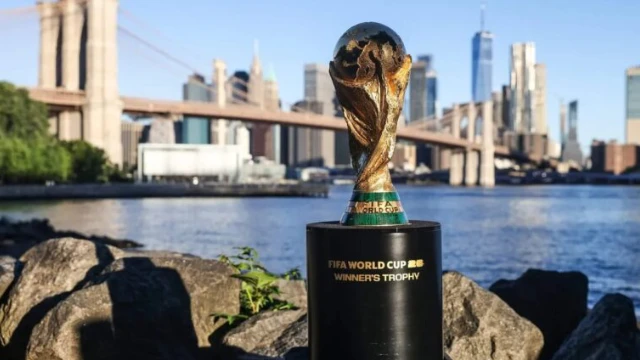
The FIFA World Cup 2026 is shaping up to be one of the biggest sporting events in modern history. Not only because of football itself, but because this tournament will be spread across three countries — Mexico, the United States, and Canada — with millions of fans expected to travel between cities during the event.
And while most people already expect tickets to be expensive, what many tourists underestimate is how quickly everything else starts adding up.
Flights become more expensive. Hotels suddenly triple their prices. Transportation gets chaotic. Tourist areas inflate prices. Even basic things like grabbing food near a stadium can cost far more than normal.
That doesn’t mean the tournament won’t be worth it. For many people, this may genuinely be a once-in-a-lifetime experience.
But it does mean travelers should prepare financially before arriving. Because during events like the World Cup, poor planning can easily turn a fun trip into a very expensive mistake.
Why the 2026 FIFA World Cup Will Probably Be Extremely Expensive
This won’t be a normal World Cup.
The 2026 edition will be the first FIFA World Cup with 48 teams instead of 32. That means more matches, more fans, more flights, more hotel demand, and more pressure on tourism infrastructure.
Now combine that with:
- Three host countries
- Massive travel distances
- Post-pandemic tourism inflation
- Dynamic pricing algorithms
- Peak summer travel season
…and you get a recipe for very expensive travel.
Airlines and hotels already use automated systems that increase prices when demand spikes. They don’t care whether demand comes from Taylor Swift concerts, Formula 1 weekends, or the FIFA World Cup.
The moment millions of football fans begin searching the same destinations simultaneously, prices move aggressively.
And unlike smaller tournaments, the 2026 World Cup will require many travelers to move between multiple cities across North America… that’s where costs start snowballing.

Flights Will Probably Cost More Than Most Tourists Expect
Flights may end up becoming one of the biggest expenses of the entire trip.
Many travelers imagine themselves simply flying into one city and staying there. But in reality, fans often follow their national team through different stages of the tournament.
That can mean:
- Flying into Mexico City
- Then traveling to Guadalajara
- Then possibly Los Angeles
- Then maybe Dallas or Miami
North America is huge.
People from Europe sometimes underestimate the distances involved because they compare them to travel inside the EU. But flying between host cities in the United States, Mexico, and Canada can feel more like flying between entirely separate regions of the world.
And the closer the tournament gets, the worse prices may become. Last-minute bookings during major sporting events are usually brutal.
A normal roundtrip ticket that costs a few hundred dollars today could potentially cost double or triple during peak World Cup demand — especially around knockout matches.
And if a fan’s national team unexpectedly advances, thousands of people may suddenly start scrambling for flights to the next host city at the exact same time.
That creates chaos fast.

Hotels in Host Cities Could Become Ridiculously Expensive
Hotels are another area where many tourists will probably get surprised.
Cities like Mexico City, Guadalajara, Monterrey, Los Angeles, Miami, New York, Toronto… already have expensive hospitality markets under normal circumstances. During the World Cup, prices could become significantly higher.
This happens during almost every major global event. Hotels know demand will massively exceed supply, especially near stadiums and tourist zones.
Even mediocre hotels can suddenly become “premium-priced.”
And it’s not only luxury hotels. Budget hotels, hostels, and Airbnbs often increase prices too. Some properties even introduce:
- Minimum stay requirements
- Non-refundable bookings
- Higher deposits
- Dynamic nightly pricing
A room that normally costs $80 USD per night could suddenly jump to $250 or more during certain match days. And unfortunately, some tourists wait too long assuming prices will “eventually go down.”
Usually, they don’t.

Transportation Inside Mexico Can Quietly Destroy Your Budget
One thing people often overlook is how many small expenses pile up during international trips. Especially during events like the World Cup.
Inside Mexico alone, tourists may end up spending money on:
- Uber surge pricing
- Airport transfers
- Domestic flights
- Toll roads
- ADO buses
- Roaming charges
- Currency exchange fees
None of these seem catastrophic individually but after two or three weeks of moving around constantly, they add up fast.
For example, surge pricing after a match can get ugly. Thousands of people leaving a stadium simultaneously all trying to order rides at the same time usually means transportation apps increase prices dramatically.
And while Mexico is generally cheaper than the United States or Canada in many areas, tourist-heavy zones during international events don’t always feel “cheap.” Especially around stadiums, nightlife areas, airports, and hotels.

Food, Drinks, and Entertainment Will Also Become More Expensive
Tourists usually budget for hotels and flights — they rarely budget correctly for daily spending. And during the World Cup, daily spending can escalate quickly.
Food near stadiums is almost never cheap. Drinks inside sports venues are notoriously overpriced worldwide. Tourist bars raise prices during big matches. Clubs become crowded and expensive.
Even simple things like coffee, snacks, beer, water bottles, fast food can cost far more in heavily touristic areas during the tournament.
This becomes even more noticeable in neighborhoods heavily visited by foreigners.
A taco stand that normally serves locals at normal prices may suddenly adapt to international demand. Some businesses absolutely take advantage of major tourism waves.
That doesn’t mean tourists are guaranteed to get scammed. But it does mean many people underestimate how expensive “small purchases” become over a multi-week trip.

Healthcare Emergencies Could Become One of the Biggest Unexpected Costs
This is the part many travelers don’t think about until something actually goes wrong.
Private healthcare in Mexico can be excellent. In cities like Mexico City, Guadalajara, and Monterrey, there are genuinely high-level private hospitals.
But private healthcare is not free.
And during international travel, even relatively small medical situations can become expensive surprisingly fast.
Especially things like:
- Food poisoning
- Dehydration
- Heat stroke
- Sports injuries
- Alcohol-related accidents
- Scooter accidents
- ER visits
- Ambulance transportation
Many tourists assume their normal insurance automatically protects them abroad. Sometimes it does — sometimes it doesn’t.
And many travelers discover too late that their “travel protection” from a credit card is much more limited than they originally believed.
The reality is that medical emergencies abroad are stressful enough already. The last thing people want is confusion about who pays the bill.

So… How Much Could a World Cup Trip Actually Cost?
The answer depends heavily on the traveler.
A budget traveler staying in hostels, using buses, and eating cheap local food will obviously spend far less than someone flying business class and staying in luxury hotels.
But generally speaking, many tourists may underestimate the true cost of a multi-city World Cup trip.
Budget Traveler
Possible range:
- Around $2,000–$4,000+ USD
Usually includes:
- Hostels
- Budget flights
- Public transportation
- Limited match attendance
- Cheap food options
Mid-Range Traveler
Possible range:
- Around $5,000–$12,000+ USD
Usually includes:
- Hotels
- Multiple flights
- Restaurants
- Tourist activities
- Better seating
- More comfort overall
Luxury Traveler
Possible range:
- $15,000–$50,000+ USD
Usually includes:
- Premium hotels
- VIP experiences
- Business-class flights
- Fine dining
- Flexible travel schedules
- High-end transportation
And honestly… for some fans, the number may go even higher.

The Cheapest Way to Experience the World Cup Without Destroying Your Wallet
The good news is that smart planning genuinely helps.
A lot.
Some practical ways tourists can reduce costs include:
- Booking flights early
- Staying outside major tourist hotspots
- Using buses strategically
- Avoiding last-minute reservations
- Limiting unnecessary city changes
- Using local transportation carefully
- Avoiding currency exchange traps at airports
- Planning match schedules realistically
And honestly, one of the smartest things travelers can do is simply prepare for emergencies before arriving.
Not because disaster is guaranteed but because unexpected problems during international travel tend to become much more expensive when people are unprepared.

Is the FIFA World Cup 2026 Worth the Cost?
For many people?
Probably yes.
The atmosphere during a World Cup is difficult to describe unless you’ve experienced it personally. Entire cities transform. Fans from all over the world mix together. Restaurants, bars, stadiums, and public spaces become part of the experience.
It’s chaotic, loud, emotional, and unforgettable.
That’s why millions of people are willing to spend so much money to attend.
The key is simply understanding what you’re walking into financially before arriving.
Because while nobody can control FIFA pricing, airline algorithms, or hotel demand… travelers can avoid many preventable financial mistakes with proper planning.

How We Help Travelers Prepare Before the World Cup
At Donna, we help travelers understand how international medical coverage actually works before they arrive in Mexico.
That includes helping people:
- Understand travel medical insurance
- Compare international coverage options
- Understand what credit cards may or may not cover
- Prepare for private healthcare costs abroad
- Get coverage before traveling
The process is fully remote, and we regularly help international travelers visiting Mexico understand their options before major trips.
Because ideally, the World Cup should only leave you with memories… not unexpected financial disasters.
If you’re planning to travel for the World Cup and want help understanding travel insurance options for your trip, Donna can help you get the travel plan that fits you best.
Message us on WhatsApp or fill out this form and let’s get you covered today!
Learn more:


