There’s a version of traveling people imagine when they book a trip for the FIFA World Cup.
You land in Mexico City. The airport feels electric. Fans from Australia, Germany, Brazil, Japan, the United States and dozens of other countries are everywhere. Someone is singing in the terminal. Someone else is already drinking beer at 10 AM. You take a photo of the giant World Cup decorations, grab your suitcase, and head toward your hotel.
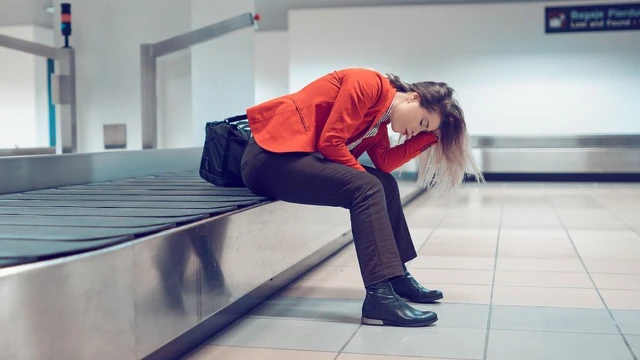
Except… your suitcase never arrives.
And suddenly the trip you spent thousands of dollars planning becomes very different.
Now you’re standing inside a crowded airport trying to explain to an exhausted airline employee that your luggage contains clothes, chargers, medications, maybe expensive electronics, maybe even your passport. Your next flight to Guadalajara leaves tomorrow morning. Your hotel check-in is in three hours. And you have absolutely no idea whether your bags are in Mexico, Dallas, Toronto… or another continent entirely.
During massive international events like the FIFA World Cup, lost and delayed luggage becomes far more common than people expect. Not because airlines are evil or incompetent, but because the entire travel system gets pushed to its limit.
And FIFA 2026 could be one of the busiest travel periods North America has seen in years.
Why Lost Luggage Will Probably Increase During FIFA 2026
The 2026 FIFA World Cup is not happening in one country.
It’s spread across Mexico, the United States, and Canada.
That means millions of people will be flying between countries, cities and airports over a short period of time.
A traveler might do something like:
- London → Dallas → Mexico City
- then Mexico City → Guadalajara
- then Guadalajara → Monterrey
- then Monterrey → Los Angeles
That’s a LOT of connections. And every connection increases the chance of luggage problems.
Now combine that with:
- overcrowded airports
- delayed flights
- weather disruptions
- overworked baggage crews
- short layovers
- airline staffing issues
- and travelers carrying more luggage than usual because they’re staying for weeks
It becomes pretty easy to see how bags start getting misplaced.
And honestly? A lot of people underestimate how chaotic travel can become during international sporting events.
Everyone imagines the stadium atmosphere — nobody imagines standing in the baggage claim area wearing yesterday’s clothes while trying to figure out how to buy underwear in a country where they don’t speak the language.

What Counts as “Lost” vs “Delayed” Luggage?
This is important because most “lost luggage” is not actually lost forever.
Usually, it falls into one of these categories:
Delayed luggage
This is the most common scenario.
Your bag exists.
The airline knows where it is.
It just arrived on another flight.
Maybe your connection was too short.
Maybe the baggage crew didn’t transfer it in time.
Maybe the flight was overloaded.
In many cases, delayed bags appear within a few hours, 24 hours, or a couple of days.
Misrouted luggage
This happens when the bag gets sent somewhere completely wrong.
Your suitcase was supposed to go to Mexico City but somehow ended up in Houston or Vancouver.
This sounds ridiculous, but during high-volume travel periods it absolutely happens.
Permanently lost luggage
This is the nightmare scenario.
The airline genuinely cannot locate the bag anymore.
Thankfully, this is much rarer than people think.
Still, when it happens during a multi-city World Cup trip, it can completely derail the experience.

First Thing To Do at the Airport in Mexico
One of the biggest mistakes travelers make is leaving the airport too quickly.
The moment you realize your luggage did not arrive, go directly to the airline’s baggage service desk before exiting the baggage claim area.
Do not assume:
“They’ll call me later.”
You need paperwork immediately.
Here’s what you should do:
1. File a report immediately
The airline will usually create something called a Property Irregularity Report (PIR).
This document matters a lot.
Without it, proving the issue later becomes much harder.
2. Save your baggage tag
That little sticker they attached to your boarding pass?
Don’t throw it away.
That barcode is one of the main ways airlines track your luggage.
3. Take photos of everything
Take photos of:
- your suitcase
- baggage tags
- boarding pass
- passport
- and the report number
When people are stressed, they lose paperwork constantly.
4. Give a REAL delivery address
If you’re staying at a hotel in Mexico, give the correct hotel information.
Many delayed bags are eventually delivered directly to hotels.
5. Keep receipts
If you buy clothes, toiletries, chargers, or essentials, keep every receipt.
This becomes important if you later request reimbursement.

What If Your Medication, Electronics or Important Documents Were Inside?
This is where luggage problems stop being “annoying” and start becoming serious.
A surprising number of travelers put extremely important things inside checked baggage:
- medications
- laptops
- cameras
- jewelry
- visas
- wallets
- or expensive electronics
That’s risky even during normal travel.
During the World Cup? Even more.
If you’re traveling to Mexico for FIFA 2026, your carry-on should always include:
- medications
- travel documents
- one change of clothes
- chargers
- valuables
- and anything medically necessary
Especially medications.
Some travelers assume:
“I’ll just buy it in Mexico.”
That may not work.
Certain medications:
- require prescriptions
- use different brand names
- or may not be easy to find quickly
And if your passport was inside your luggage?
That becomes a much larger issue involving:
- your embassy
- immigration
- airline documentation
- and potentially emergency travel paperwork

Can Airlines Pay You for Lost Luggage?
Sometimes yes.
But people often imagine airlines handing out giant compensation checks immediately.
Reality is usually slower and more frustrating.
Airlines may reimburse:
- essential purchases
- delayed baggage expenses
- or permanently lost luggage claims
But there are limits.
And proving the value of your belongings can be difficult if:
- you don’t have receipts
- you packed luxury items
- or you’re claiming expensive electronics
There’s also a difference between:
- delayed luggage
- damaged luggage
- and permanently lost luggage
Each situation may follow different rules and compensation structures.
International flights are often governed by agreements like the Montreal Convention, which establishes liability limits for airlines.
But even when compensation exists, the process can take time. And during a fast-moving World Cup trip, time is exactly what travelers don’t have.

How Travel Insurance Can Help During the World Cup
This is one of those things people only appreciate after something goes wrong.
Travel insurance is not just about medical emergencies.
Depending on the plan, it may also help with:
- delayed baggage
- lost baggage
- stolen personal items
- emergency purchases
- trip interruptions
- and travel assistance services
That matters a lot during an event like FIFA 2026 because many travelers won’t stay in one city.
If your luggage disappears while moving between Mexico City, Guadalajara, Monterrey, Dallas, Los Angeles, Toronto, or Vancouver, things can become complicated very quickly.
Especially if flights are tight, hotels are prepaid,or you’re carrying expensive gear.
Good travel insurance can make the situation far less painful financially.
Not perfect.
But less catastrophic.

What Most Travelers Forget About Mexico During Big Events
A lot of foreign travelers imagine Mexico as “cheap and easy.” And honestly, compared to some countries, parts of it can be.
But during the World Cup?
- Prices may surge.
- Hotels may fill up.
- Flights may become chaotic.
- Transportation may slow down dramatically.
If your luggage disappears during that environment, replacing basic items becomes harder and more expensive.
Especially near:
- stadium zones
- airports
- and tourist-heavy areas
And remember:
Mexico is BIG.
Traveling between host cities is not like taking a 20-minute train in Europe.
These are major trips.
So if your suitcase goes missing while you’re constantly moving between cities, recovering it becomes more complicated than people realize.

How To Reduce the Risk of Losing Your Luggage
You can’t eliminate the risk entirely but you can reduce it a lot.
Use an AirTag or tracking device
Honestly, this has become one of the smartest travel hacks in recent years.
Sometimes travelers know where their luggage is before the airline does.
Avoid ultra-short connections
A 45-minute international connection during the World Cup is asking for trouble.
Keep essentials in your carry-on
Always:
- medications
- chargers
- documents
- valuables
- and at least one outfit
Put identification INSIDE the suitcase
Not just outside.
Tags can fall off.
Take photos before checking the bag
This helps identify it faster later.
Don’t overpack expensive items
Especially things you’d be devastated to lose.

So… What Happens If Your Luggage Never Appears?
Most bags eventually show up.
But even temporary baggage problems can seriously affect a World Cup trip because the schedule moves fast.
Matches don’t wait.
Flights don’t wait.
Hotels don’t wait.
And unfortunately, airports definitely don’t wait.
That’s why preparation matters so much more during an international event like FIFA 2026 than during a normal vacation.
The people who suffer the least during travel chaos are usually not the luckiest travelers.
They’re the travelers who planned ahead.

How We Help Travelers Before They Arrive
At Donna, we help travelers prepare for Mexico before the trip starts — not after things go wrong.
For FIFA 2026, many travelers are looking for international travel insurance that can help provide protection during:
- medical emergencies
- travel disruptions
- baggage problems
- and unexpected situations while moving between countries and cities
The process is fully remote and designed for international travelers.
That way, instead of trying to solve everything inside an overcrowded airport during the World Cup… you arrive already prepared.
And honestly, that peace of mind becomes a lot more valuable once millions of people start arriving at the same time.
If you’re planning to travel for the World Cup and want help understanding travel insurance options for your trip, Donna can help you get the travel plan that fits you best.
Message us on WhatsApp or fill out this form and let’s get you covered today!
Learn more:


